Induction cooking has been available for decades, but it is still unfamiliar to many home cooks. Because it works differently from traditional gas and electric cooktops, misconceptions about power, cookware, safety, durability, and cost can make people hesitant to make the switch.
In reality, induction combines fast heating with precise temperature control, an easy-to-clean cooking surface, and several important safety advantages. Understanding how the technology actually works can help separate outdated assumptions from what you can expect when cooking with induction today.
Myth #1: Induction Isn't as Powerful as Gas
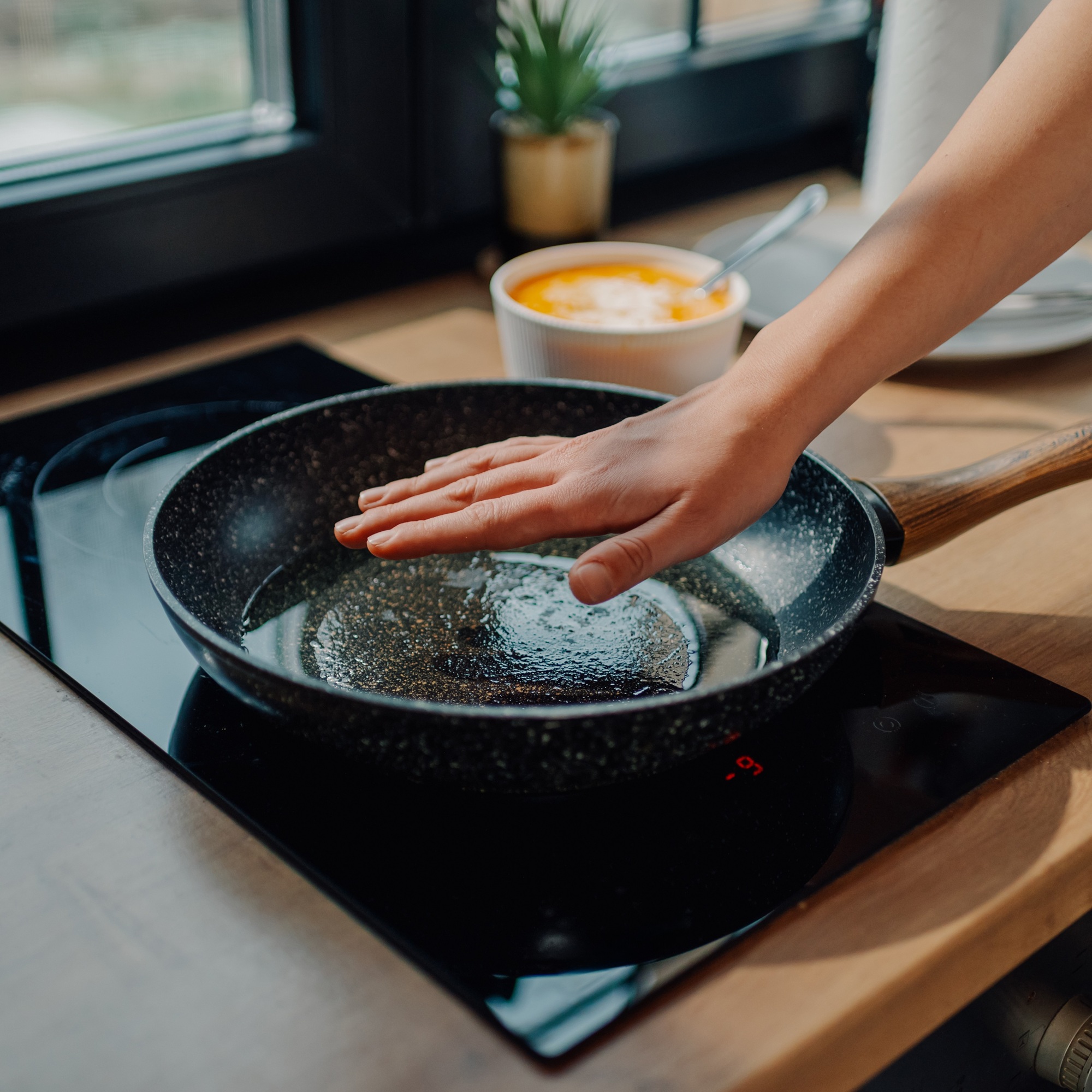
Gas has traditionally been associated with serious cooking power because you can see and immediately adjust the flame. Induction takes a different approach: instead of creating heat and then transferring it through the cooktop and into the cookware, electromagnetic energy causes compatible cookware itself to heat. This direct heating method reduces wasted heat and allows induction cooktops to respond very quickly when you change the power setting.
That can translate into impressive heating performance. True Induction cooktops, for example, are designed for rapid heating and precise control, with the company reporting that certain models can boil a cup of water in under 90 seconds. Many True Induction models also provide multiple power levels and exact temperature settings, making induction useful for more than simply boiling water quickly—you can move from high heat to a controlled simmer without waiting for a burner or flame to gradually respond.
Myth #2: You'll Need to Replace All of Your Cookware
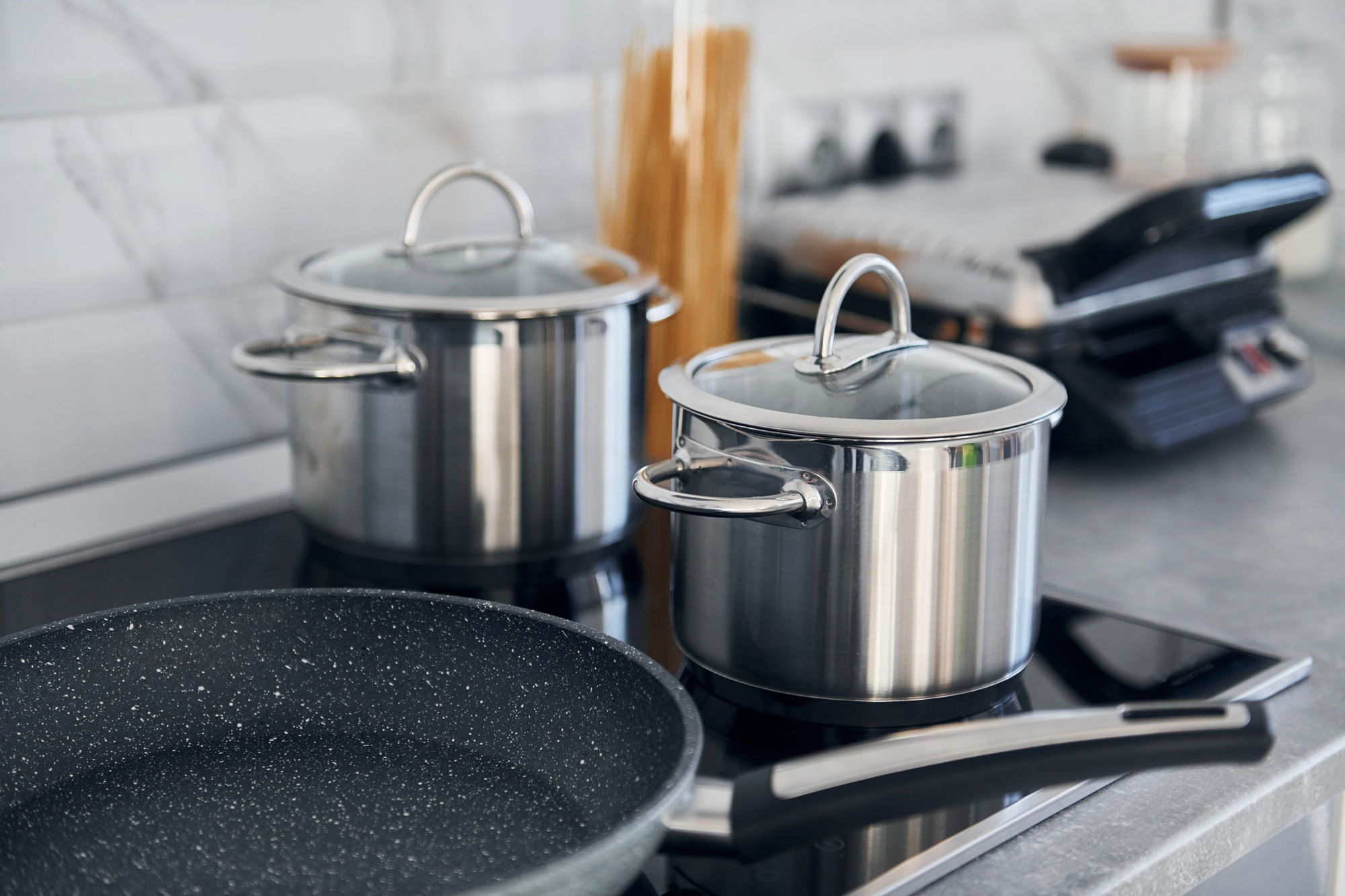
Induction does require compatible cookware, but that doesn't necessarily mean buying an entirely new set of pots and pans. The cookware needs a magnetic, or ferromagnetic, base, which means cast iron and many types of stainless steel cookware are already suitable for induction. Some cookware made primarily from aluminum or copper can also be induction compatible when manufacturers incorporate a magnetic layer into the base.
There's also an easy way to check the cookware you already own: place a household magnet against the bottom of the pan. If it sticks firmly, there's a good chance the pan is induction compatible. True Induction recommends ferrous cookware and notes that flat-bottomed pans provide the best performance, so you may discover that several of your favorite pots and pans can make the transition with you.
Myth #3: Induction Is Basically the Same as Microwave Cooking
Induction and microwave cooking both use technologies that are less visible than a gas flame, but that's about where the similarity ends. An induction cooktop creates a magnetic field that interacts with compatible cookware, causing the pan itself to generate heat. The hot cookware then cooks your food in the familiar way you're used to when frying, sautéing, simmering, searing, or boiling.
That distinction is important because induction is still stovetop cooking. You can sear a steak in cast iron, sauté vegetables, simmer a sauce, fry an egg, or boil a large pot of water just as you would on another cooktop. The technology changes how the cookware receives its heat—not the types of meals you can prepare.
Myth #4: Glass Induction Cooktops Are Too Fragile for Everyday Cooking
Seeing a smooth glass surface can make an induction cooktop appear more delicate than a heavy gas grate or traditional coil burner. However, induction cooktops are designed specifically to function as cooking appliances, and quality models use glass-ceramic surfaces engineered for the temperatures and everyday demands associated with cooking. Normal care is still important, particularly avoiding heavy impacts, dragging rough cookware across the surface, or cooking on a surface that has already been cracked or damaged.
True Induction uses glass-ceramic cooking surfaces across models ranging from compact single and dual burners to larger four-burner cooktops. Several current models are UL858 listed and cETL certified, while also incorporating built-in safety functions. In other words, the smooth appearance shouldn't be confused with a surface that isn't intended for regular kitchen use.
Myth #5: Induction Cooktops Are Difficult to Clean
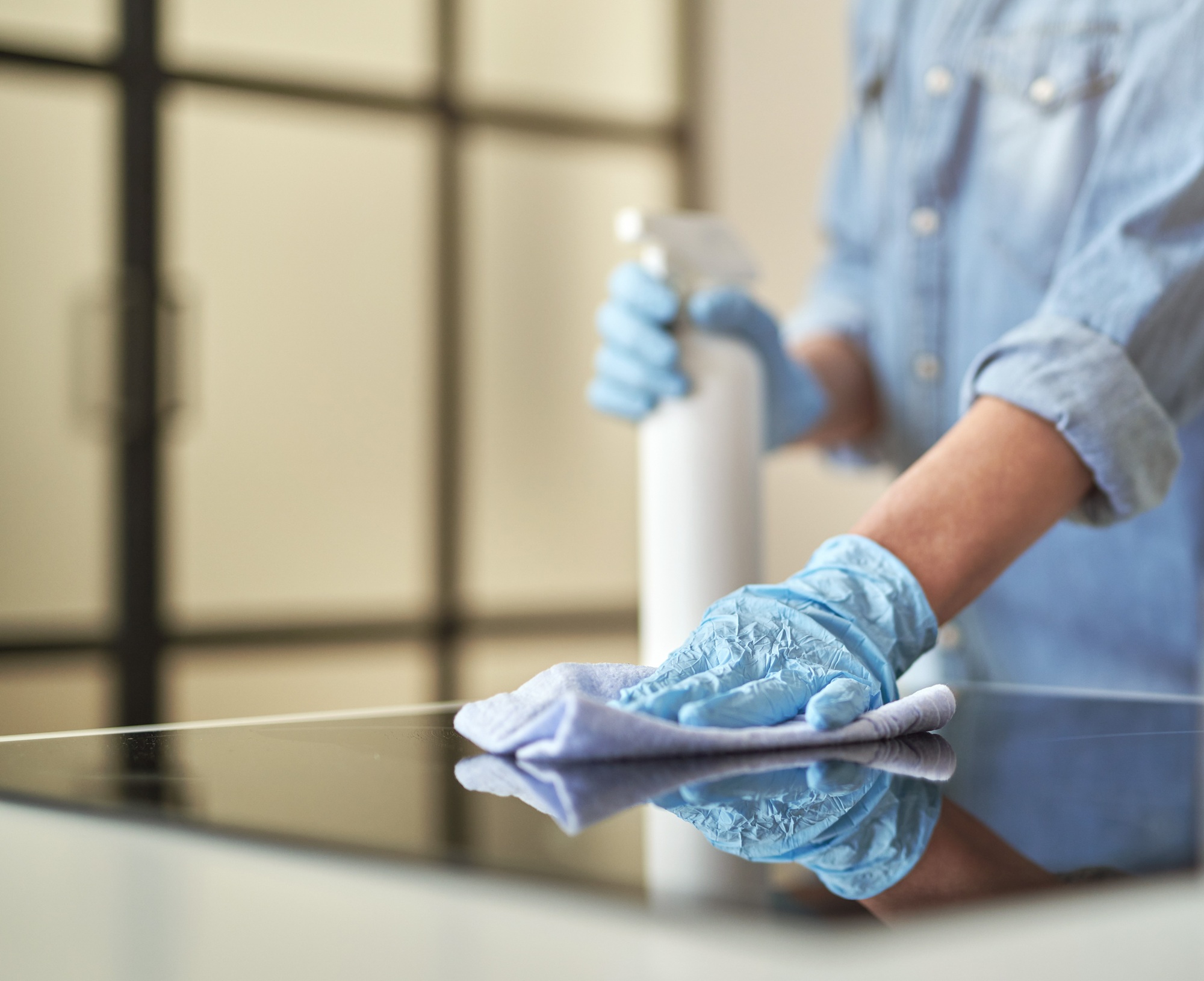
Induction cooktops are actually among the easiest cooking surfaces to keep clean. Unlike traditional electric cooktops, induction technology heats the cookware directly instead of heating the glass surface as the source of heat. While the glass can become warm from contact with a hot pan, it generally stays much cooler than a conventional cooking surface.
This makes a noticeable difference when something spills or splatters while you're cooking. Because the cooktop itself isn't being heated by a burner underneath, food is far less likely to immediately bake, scorch, or become stuck onto the surface. Instead of scrubbing away cooked-on spills, most messes can simply be wiped from the smooth ceramic-glass surface after cooking.
True Induction cooktops make cleanup even more convenient with a one-piece ceramic-glass surface and controls located beneath the glass. There are no exposed heating elements, burner grates, or removable components to clean around—just a smooth surface that can be quickly wiped down. It's one of the practical advantages of induction cooking that you may appreciate every time you prepare a meal.
Myth #6: Induction Cooktops Are Unsafe Because They Use Electromagnetic Energy
The word "electromagnetic" can sound concerning without context, but induction cooking is specifically designed to use a magnetic field to interact with compatible cookware. One practical safety advantage is the absence of an open flame. The cooking surface also isn't heated by a glowing electric element; much of the warmth you feel on the glass after cooking is residual heat transferred back from the hot cookware.
True Induction adds features such as pan detection, which allows the unit to recognize appropriate cookware and stop heating when a pan is no longer detected. Its cooktops also begin cooling after cookware is removed, although the surface can remain hot temporarily from residual heat and should still be treated with normal caution.
Myth #7: Induction Doesn't Give You Enough Temperature Control
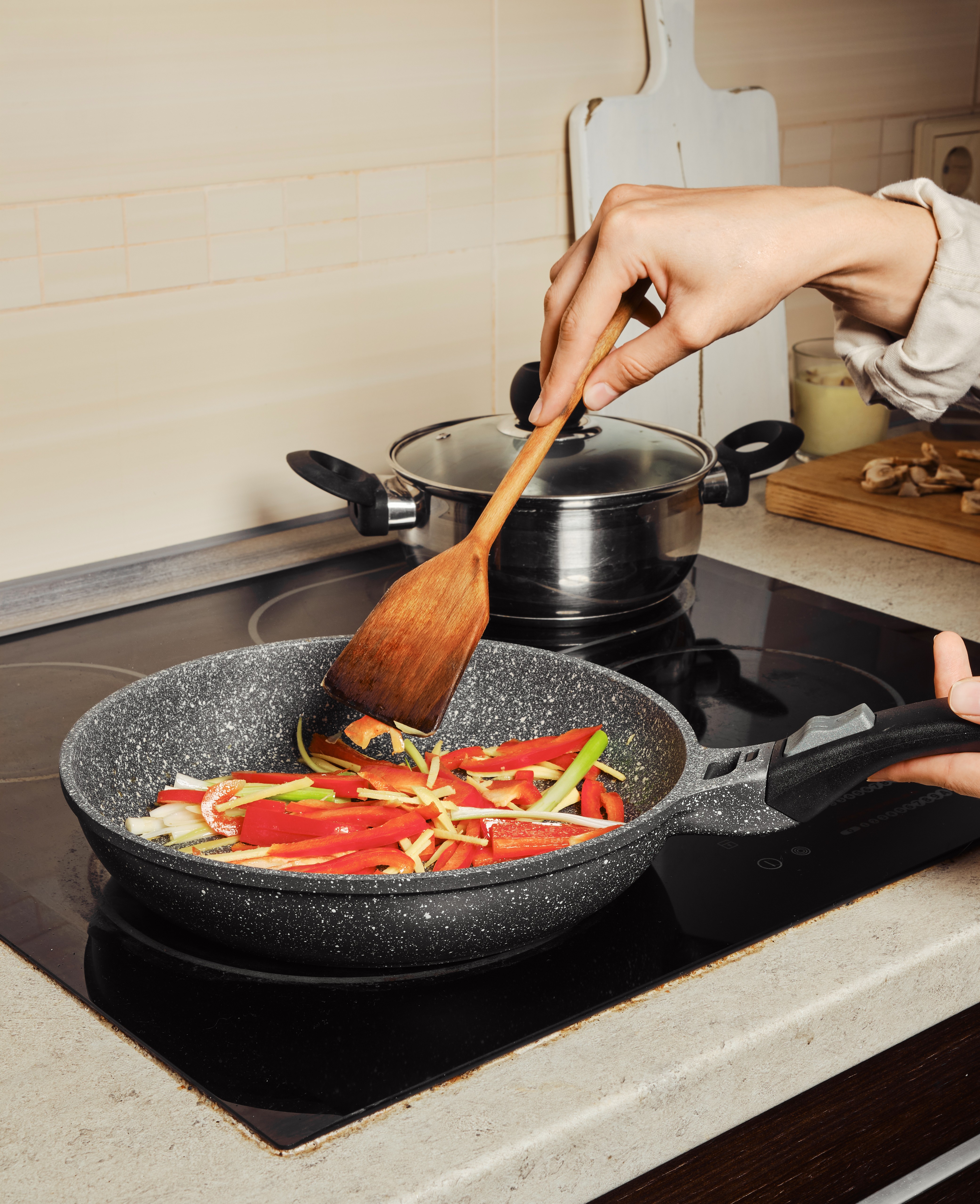
Some people assume that because induction uses electronic controls, it can't provide the responsiveness of a gas flame. In practice, precise control is one of induction's biggest strengths. Because energy is delivered directly to the cookware, changing the setting can quickly change the amount of heat being generated in the pan rather than requiring a hot burner to gradually heat up or cool down.
True Induction demonstrates this with cooktops offering selectable heat levels as well as exact temperature settings. The TI-1B single burner, for instance, has a specified temperature range of 150°F to 450°F, while other True Induction models offer similar temperature control. This range makes it possible to move between gentler heating and higher-temperature cooking from the same compact appliance.
Myth #8: Induction Is Only for Modern Luxury Kitchens
Induction is often pictured as an expensive feature reserved for high-end kitchen renovations, but the technology is available in far more configurations today. Portable and single-burner units can provide an entry point without replacing an entire range, while built-in two- and four-burner models can serve as permanent cooking surfaces.
True Induction's lineup reflects this flexibility particularly well. The brand offers compact single burners, dual-burner models, and full four-burner cooktops, with certain models capable of either built-in installation or countertop use. True Induction also designs cooktops for environments beyond conventional home kitchens, including RVs, small kitchens, hotel suites, and assisted-living settings.
Myth #9: Induction Cooktops Make the Kitchen Just as Hot as Gas or Electric
Any cooking method will produce some heat because the cookware and food become hot. The difference with induction is where the energy is directed. Instead of producing a flame or heating an element that then transfers energy to the pan and surrounding environment, induction generates heat directly in compatible cookware.
That means less unnecessary heat is produced around the cooking area. This can be especially noticeable in compact kitchens, RVs, apartments, and other small spaces where additional heat quickly becomes uncomfortable. True Induction specifically highlights reduced ambient heat as one of the benefits of its technology, helping the cooking area remain cooler while potentially reducing the additional workload placed on air conditioning.
Myth #10: All Induction Cooktops Are Essentially the Same
Induction cooktops may use the same basic technology, but they aren't all built, tested, or certified to the same standards. Power, temperature control, safety features, construction, and certifications can vary considerably between brands and models. Many True Induction residential cooktops are UL858 Listed, cETL & FCC Certified, demonstrating compliance with recognized safety and electronic equipment requirements.
True Induction also carries certifications appropriate for specific types of cooking equipment. Our TI-1SS and TI-1SSC commercial cooktops are UL197 Listed, cETL & FCC Certified, while our TI-2C portable cooktop is UL1026 Listed, cETL & FCC Certified. When comparing induction cooktops, don't assume similar-looking products have undergone the same testing—check the certifications of the specific model so you know what standards it has been evaluated to meet.
A Better Way to Think About Induction Cooking
Many of the concerns surrounding induction come from comparing it to gas or conventional electric cooking without accounting for the fundamental difference in how the technology works. Induction doesn't need an exposed flame or a red-hot heating element because compatible cookware becomes part of the heating process itself. That difference is what allows induction to offer fast response, precise control, less wasted heat, and a smooth cooking surface that's easy to maintain.
For True Induction, those benefits are combined with a range of cooktop sizes and configurations designed for everything from everyday home kitchens to RVs, hospitality environments, and compact spaces. With compatible cookware and the right model for your cooking needs, induction can be a practical alternative to traditional cooking—not simply a high-tech novelty.
Once you understand what's happening beneath the glass, many of the most common myths about induction cooking start to disappear.