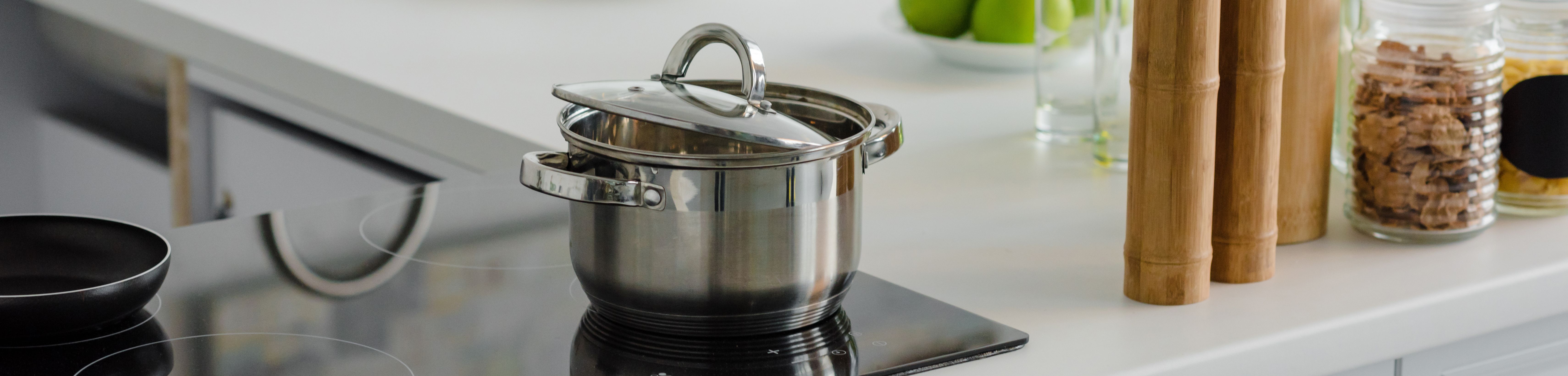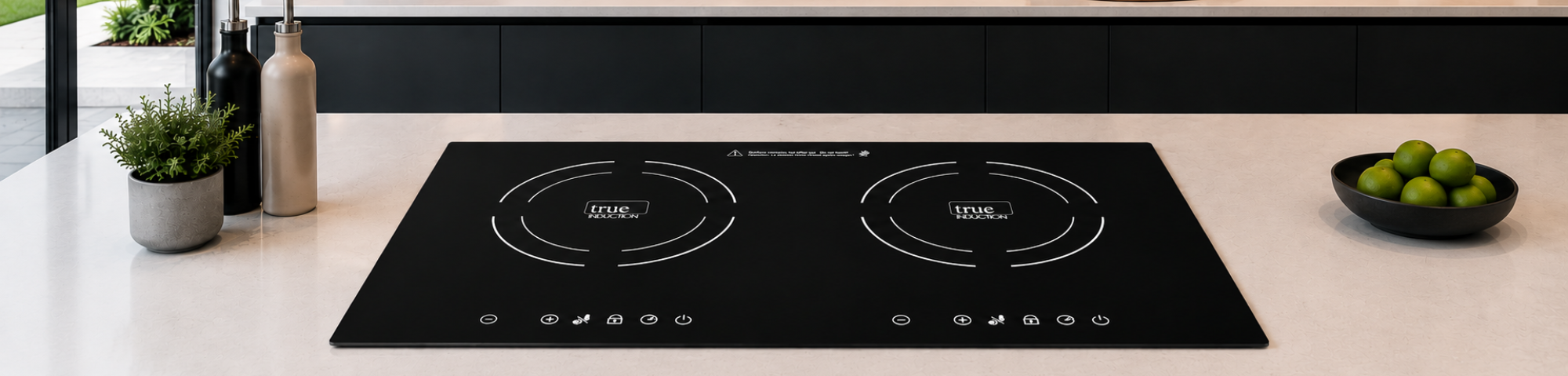
Induction cooking has changed the way many people think about energy-efficient cooking. Unlike traditional electric cooktops that heat an element or gas burners that produce an open flame, induction technology transfers heat directly to compatible cookware. The result is faster cooking, less wasted heat, and a cooler kitchen environment. True Induction cooktops take advantage of this technology to provide fast, precise, and efficient cooking in a compact countertop design.
How Induction Cooking Works
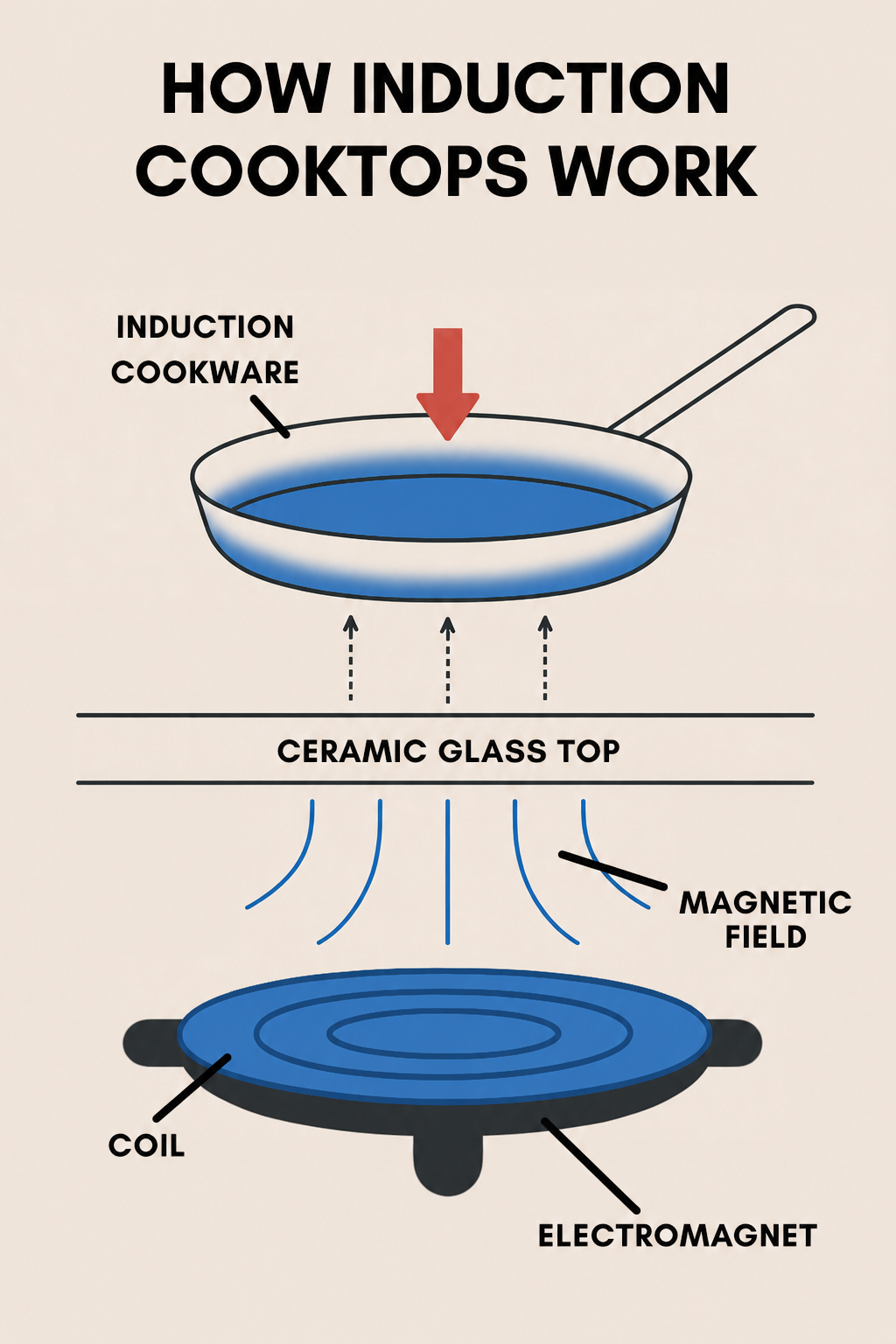
Induction cooking uses magnetic-based technology to generate heat directly inside compatible cookware. Beneath the cooktop surface is a pure copper coil wire. When electricity passes through the coil, it creates a magnetic field.
When compatible ferrous cookware is placed on the cooking surface, the magnetic field excites the molecules in the metal. This molecular activity generates heat directly within the cookware itself. In other words, the pan becomes the heating element.
This is fundamentally different from traditional electric cooking, where an electrical element first becomes hot and then transfers heat to the cookware. Because induction transfers energy directly to the cookware, significantly less heat is wasted along the way.
Less Wasted Heat Means Greater Energy Efficiency
One of the biggest advantages of induction cooking is the efficient transfer of energy. Traditional cooking methods can send considerable amounts of heat into the surrounding air, the cooktop surface, and the kitchen.
Induction minimizes this heat loss by concentrating the heating process in the cookware. The cookware heats rapidly and efficiently, allowing food and liquids to reach the desired temperature faster. True Induction technology is designed for rapid response, with cookware capable of heating evenly in approximately 45 seconds and water boiling in as little as 90 seconds under suitable conditions. Faster heating can also mean less time using the cooktop, which can contribute to lower energy consumption.
A Cooler Kitchen Can Help Reduce AC Costs
Another often-overlooked benefit of induction cooking is the effect it can have on the temperature of your kitchen. Traditional gas burners and conventional electric cooking elements release substantial amounts of heat into the surrounding area. That extra heat can make the kitchen uncomfortable, particularly during the summer.
With induction, the cooking surface itself does not need to become a traditional glowing-hot heating element. Most of the energy is directed into the compatible cookware. Because there is less excess heat released into the kitchen, the room can stay more comfortable while you're cooking.
For homes that use air conditioning, reducing unnecessary heat in the kitchen can also help reduce the cooling load. While actual AC savings depend on factors such as climate, kitchen size, insulation, cooking habits, and the efficiency of the air-conditioning system, keeping excess cooking heat out of the room can be an additional energy-saving advantage.
Faster Cooking Saves Time and Energy
Energy efficiency isn't only about how much electricity a cooking appliance uses. How efficiently it converts that energy into useful cooking heat matters as well. Induction cooking provides rapid heat transfer and precise temperature control. Instead of waiting for a conventional burner to heat up before the cookware begins heating, induction technology generates heat within the cookware itself.
This makes induction especially useful when you need to boil water, heat soups and sauces, or quickly prepare meals. True Induction cooktops also provide quick-touch power levels and precise temperature settings, giving cooks greater control over how much heat is being produced and how long it is applied.
No Open Flame and No Hot Exterior Coil
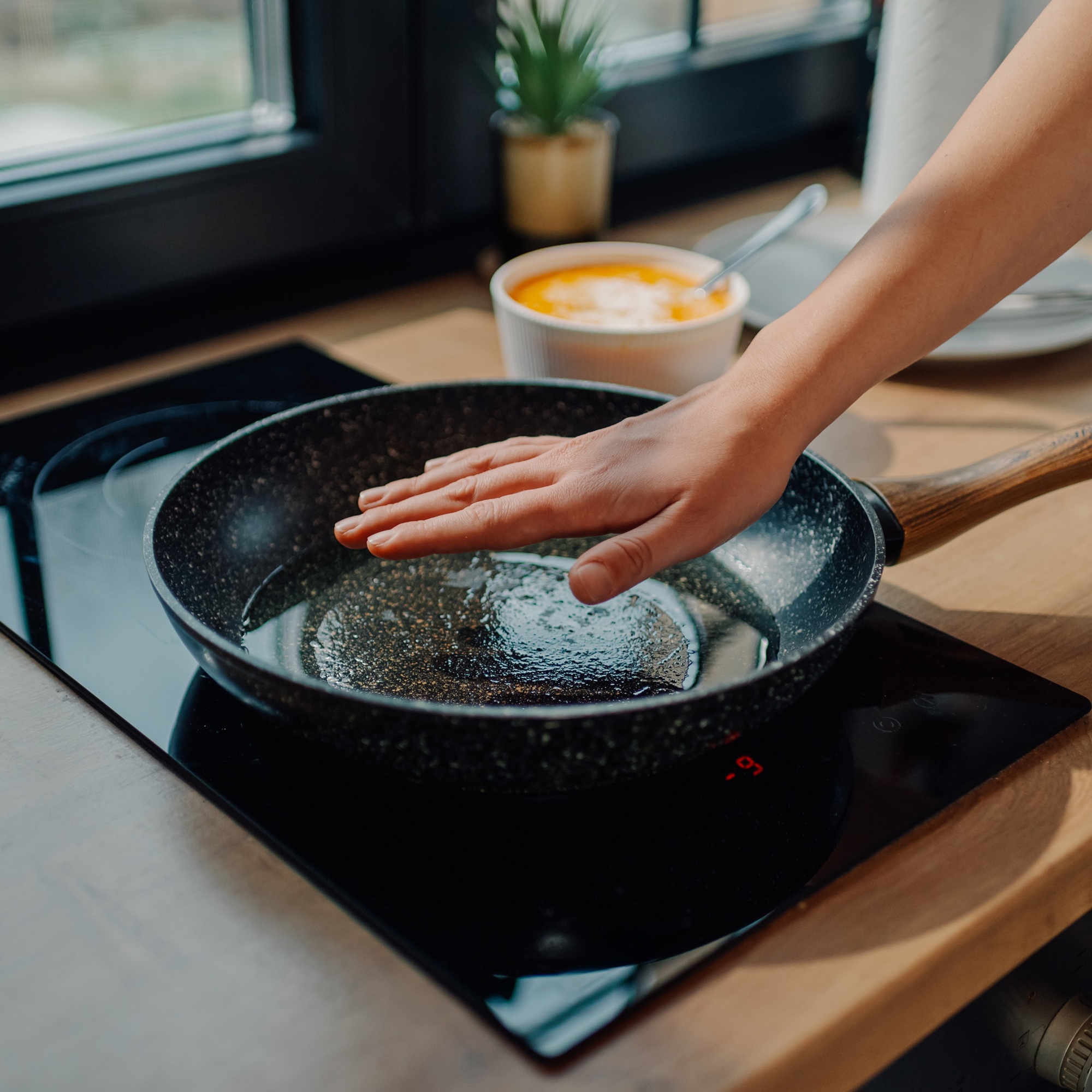
Energy efficiency is only one advantage of induction cooking. Safety is another major benefit. There is no open flame, making induction a useful alternative to gas cooking in environments where an open flame is undesirable. There is also no traditional exposed electric heating coil. Because the cookware itself generates the majority of the heat, the surrounding cooking surface generally stays cooler than a conventional electric heating element. The surface can still become hot from contact with heated cookware, so normal cooking precautions are necessary, but induction eliminates the exposed glowing element associated with many traditional electric cooktops.
True Induction models incorporate built-in safety features such as overheat protection and overflow detection, adding another level of convenience for everyday cooking.
Less Heat Escaping Into the Kitchen
A traditional burner can heat much more than the bottom of the pan. Gas flames can extend around the cookware, while conventional electric elements transfer heat through the cooking surface and surrounding air. Induction takes a more direct approach.
The magnetic field generated by the copper coil interacts with the compatible cookware, creating heat where it is needed. This direct energy transfer is one of the primary reasons induction cooking is considered one of the more efficient electric cooking technologies available. Less wasted heat means more of the electrical energy is being converted into useful cooking heat rather than unnecessarily warming the room.
Precise Temperature Control
Energy efficiency also benefits from control. True Induction cooktops offer precise temperature and power settings that allow users to adjust cooking conditions quickly. This can be particularly helpful for foods that require consistent temperatures, such as sauces, soups, confectionaries, and other temperature-sensitive recipes.
Instead of repeatedly turning a burner up and down or waiting for a traditional element to respond, induction technology can adjust rapidly to changes in the selected setting.
The result is greater consistency and better control over the cooking process.
Easy Cleanup

Induction cooking can also make cleanup easier. Since there is no traditional burner grate or exposed heating coil, the smooth cooking surface is relatively simple to wipe down after cooking. Spills are also less likely to become baked onto the surface immediately because the cooktop itself does not operate like a conventional heating element. A cleaner cooking surface means less time spent scrubbing after meals.
Useful Beyond Everyday Cooking
True Induction cooktops are designed for more than preparing everyday meals. Their compact footprint makes them useful in a variety of settings, including kitchens, entertaining areas, hotel environments, and buffet service. They can also be used in place of traditional buffet burners to keep casseroles, soups, sauces, dips, and other dishes warm for serving. Because induction cooking does not produce combustion fumes or an open flame, it can be particularly convenient in situations where conventional burners are impractical.
An Efficient Choice for Modern Kitchens
Induction cooking combines direct heat transfer, rapid heating, precise controls, and reduced heat loss to create a highly efficient cooking method. For homeowners, one of the biggest advantages is that the energy is directed primarily toward heating the cookware rather than unnecessarily heating the kitchen. This can mean faster cooking, less wasted heat, and a more comfortable cooking environment. In warm climates, the reduced amount of excess heat entering the room may also help reduce the demand placed on air conditioning.
True Induction brings these advantages together in compact, easy-to-use cooktops. With rapid heating, precise temperature controls, timer functions, and built-in safety features, induction cooking provides an efficient alternative to traditional cooking methods without sacrificing convenience. For anyone looking to use energy more efficiently in the kitchen, induction cooking offers a compelling combination of speed, precision, safety, and reduced heat waste.