What are the Advantages and Disadvantages of Induction Cooktops?

Modern kitchens are evolving rapidly, and induction cooktops have become one of the most popular alternatives to traditional gas and electric stoves. Whether used in compact RV kitchens, family homes, hotel suites, or modern apartments, induction cooking offers a unique combination of speed, safety, and energy efficiency. Brands like True Induction have helped make induction technology more accessible with sleek, compact cooktops designed for both residential and commercial use.
One of the biggest advantages of induction cooktops is their speed and efficiency. Unlike traditional electric burners that first heat the coil before transferring heat to cookware, induction technology heats the pot or pan directly using magnetic energy. This allows cookware to heat evenly in as little as 45 seconds, while water can boil in under 90 seconds. Faster heating times help reduce overall cooking time and make meal preparation more convenient for busy households.
Precise Temperature Control
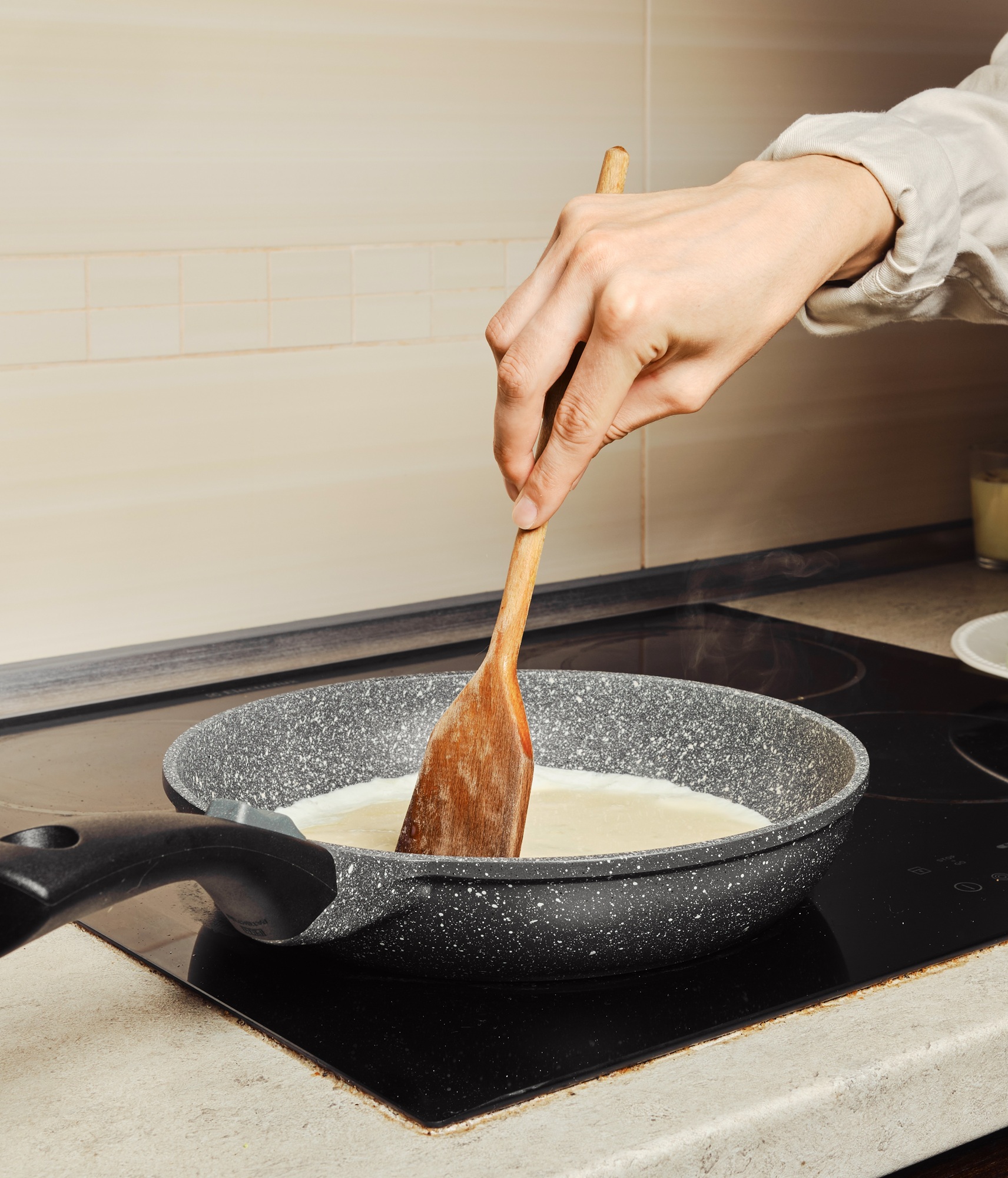
Another major benefit is precise temperature control. Induction cooktops respond almost instantly when heat levels are adjusted, allowing users to maintain accurate cooking temperatures. This level of precision is especially useful for delicate cooking tasks such as sauces, confectionaries, or gourmet dishes that require consistent heat. Many induction models also include exact temperature settings, timer functions, and quick-touch controls for improved cooking consistency.
Energy Efficiency and Cooler Kitchens
Energy efficiency is another reason many homeowners are switching to induction cooking. Traditional gas and electric stoves lose a large amount of heat into the surrounding kitchen area, while induction transfers energy directly into compatible cookware. Because less heat escapes, kitchens stay cooler and air conditioning systems do not have to work as hard. This makes induction particularly valuable in small kitchens, RVs, and warm climates where excess heat can quickly become uncomfortable.
Improved Safety Features
Safety is often considered one of the strongest advantages of induction cooktops. Since induction cooking does not rely on open flames or exposed heating coils, the risk of accidental fires is significantly reduced. The cooktop surface itself only becomes warm from contact with heated cookware, and once the pan is removed, the surface begins cooling almost immediately. Many induction cooktops also include built-in safety functions such as pan detection, overflow protection, automatic shutoff features, and overheat sensors. These features make induction cooking appealing for family homes, assisted living facilities, and hospitality environments.
Easy Cleaning and Modern Design
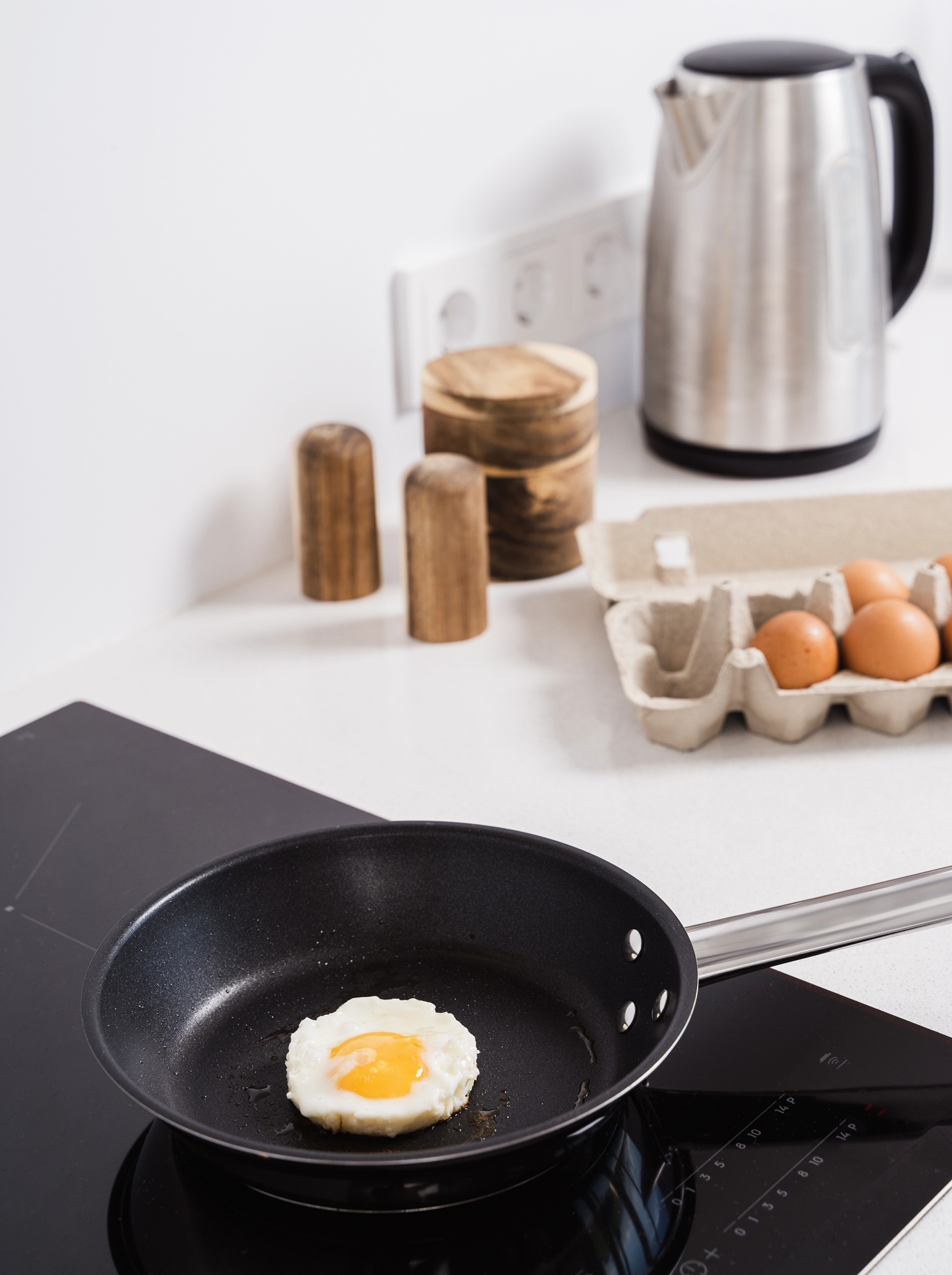
Induction cooktops are also known for their modern appearance and easy maintenance. Their smooth ceramic-glass surfaces create a clean, minimalist design that blends seamlessly into countertops. Because food is less likely to burn onto the cooler cooking surface, cleanup is usually simple and only requires a damp cloth. Unlike traditional stovetops, there is no need for harsh cleaning chemicals or scrubbing around burners and grates.
Cookware Compatibility Limitations
Despite these advantages, induction cooktops do have some disadvantages. One of the most common drawbacks is cookware compatibility. Induction technology requires ferrous, or magnetic, cookware such as cast iron or magnetic stainless steel. Aluminum, copper, and some stainless steel cookware will not work unless they contain a magnetic base. A simple magnet test can determine compatibility, but some users may need to replace part or all of their existing cookware.
Higher Upfront Cost
Another disadvantage is the initial cost. Induction cooktops can be more expensive upfront than traditional electric burners, especially when purchasing high-quality models or compatible cookware at the same time. However, many users find that the long-term energy savings and durability help offset the higher purchase price over time.
Learning Curve for New Users
Some users also notice a learning curve when transitioning to induction cooking. Because induction heats cookware so quickly, cooking times and temperature adjustments may differ from what people are accustomed to with gas or traditional electric stoves. While most users adapt quickly, the faster response time can initially require extra attention during cooking.

Size and Cookware Restrictions
Portable induction cooktops may also have size limitations depending on the cookware being used. For optimal performance, cookware generally needs a flat bottom and should fall within the recommended diameter range. Very large pots or unusually shaped cookware may not heat evenly on smaller induction surfaces.
Final Thoughts
Overall, induction cooktops offer a strong combination of speed, precision, energy efficiency, and safety. Their sleek design and easy maintenance make them ideal for modern kitchens, small spaces, RVs, hospitality settings, and busy family homes. While the need for compatible cookware and the higher upfront investment may be disadvantages for some users, many people find that the convenience and performance of induction cooking make it a worthwhile upgrade.