Will Your Current Pots and Pans Work with True Induction Cooktops?
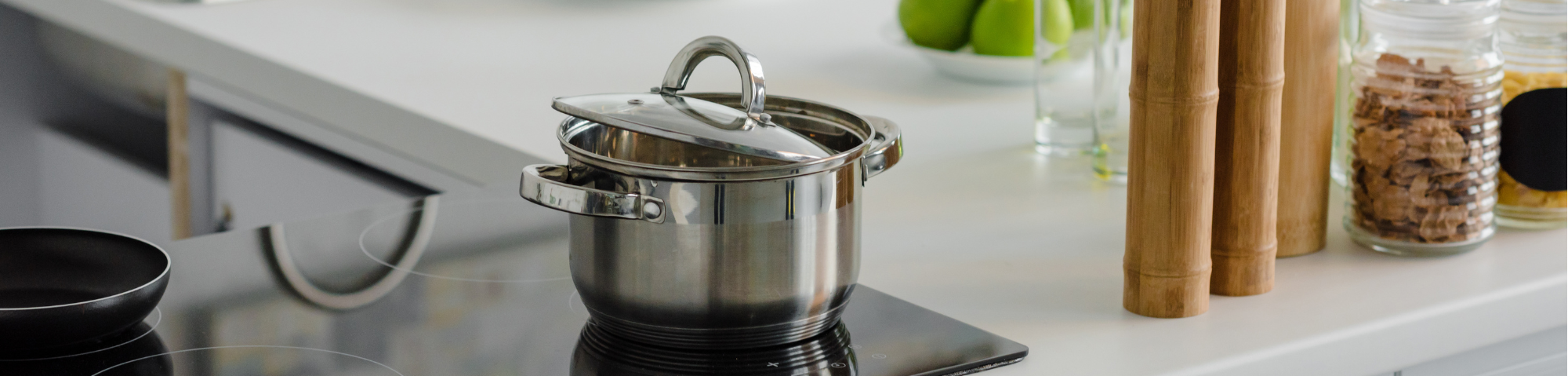
Modern kitchens are increasingly utilizing induction cooking for its speed, efficiency, and safety. Whether in a compact apartment, RV, or a fully equipped home kitchen, induction technology offers a streamlined and highly effective way to prepare meals. However, one of the most common questions homeowners ask before making the switch is whether their current pots and pans will work with an induction cooktop.
How Induction Cooking Works
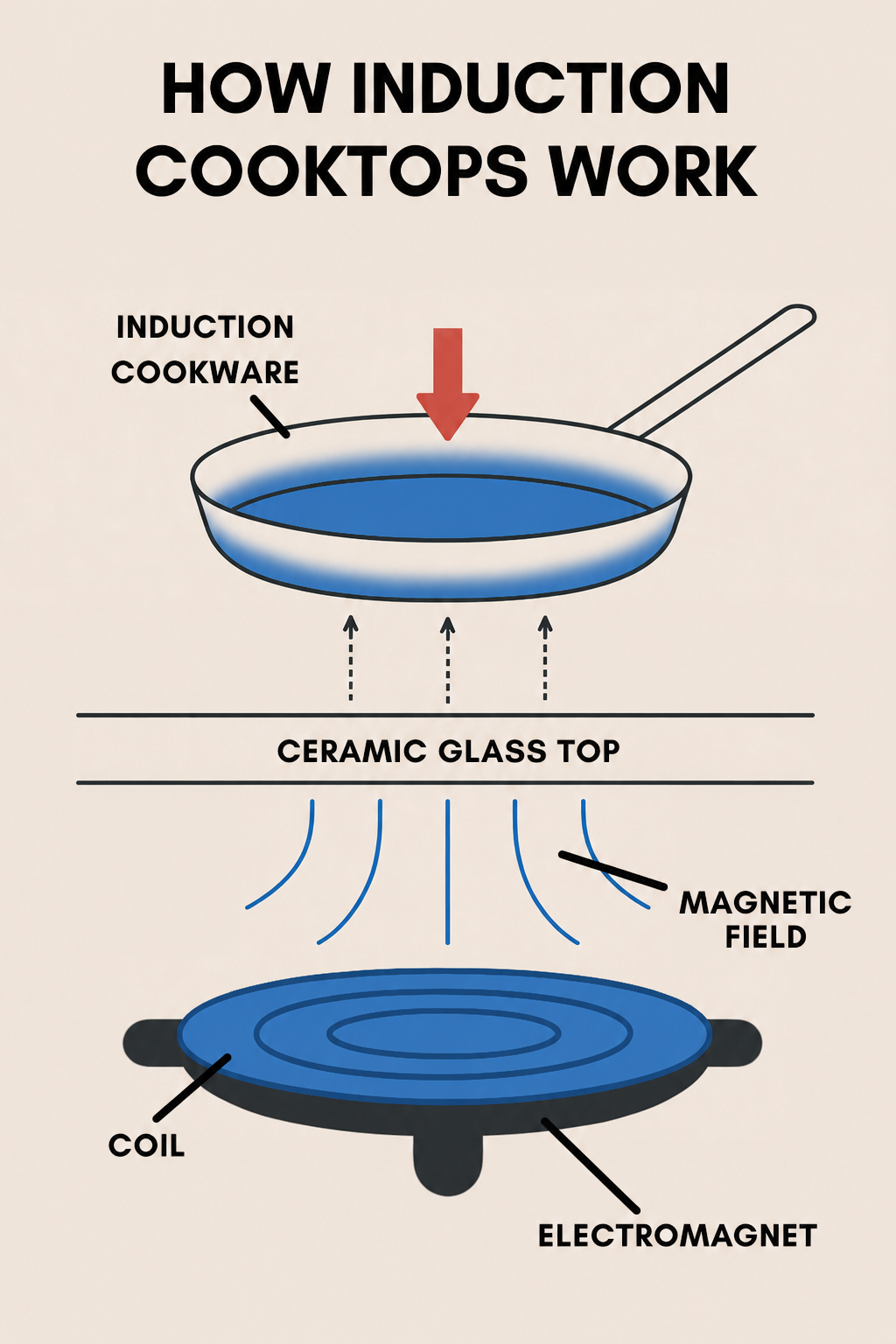
Induction cooking operates on a fundamentally different principle than traditional gas or electric stovetops. Instead of generating heat through a flame or an electric coil, induction uses a magnetic field to produce heat directly within the cookware itself. Beneath the smooth glass-ceramic surface of the cooktop is a copper coil that creates this magnetic field when an electrical current is applied. When compatible cookware is placed on the surface, the magnetic field excites the metal molecules inside the pot or pan, generating heat from within. This process allows cookware to heat rapidly and evenly, often reaching cooking temperature in under a minute and bringing water to a boil significantly faster than conventional methods.
Why Magnetic Cookware Matters
Because this technology relies on magnetism, not all cookware is suitable for induction use. Induction cooktops require pots and pans made from ferrous, or magnetic, materials in order to function. Cookware such as cast iron, carbon steel, and certain types of stainless steel are typically compatible because they contain enough iron to interact with the magnetic field. Among these options, cast iron is particularly well suited for induction cooking. Its natural magnetic properties allow it to work seamlessly with induction surfaces, while its superior heat retention ensures consistent temperatures during cooking. This makes it an excellent choice for simmering sauces, preparing soups, and cooking meals that require steady, even heat.
How to Check Your Cookware
Determining whether your existing cookware is compatible with induction is a simple process. Most manufacturers indicate compatibility on the product packaging with an induction symbol. If that information is not available, a basic magnet test can provide a quick answer. By placing a magnet on the bottom of the cookware, you can easily determine whether it will work. If the magnet adheres firmly, the cookware is suitable for induction use. If it does not, the cookware will not activate the cooktop. In addition to magnetic properties, cookware should have a flat bottom and an appropriate diameter (generally between 4.5 and 10 inches) to ensure proper contact with the cooking surface and optimal performance.
The Advantages of Induction Cooking
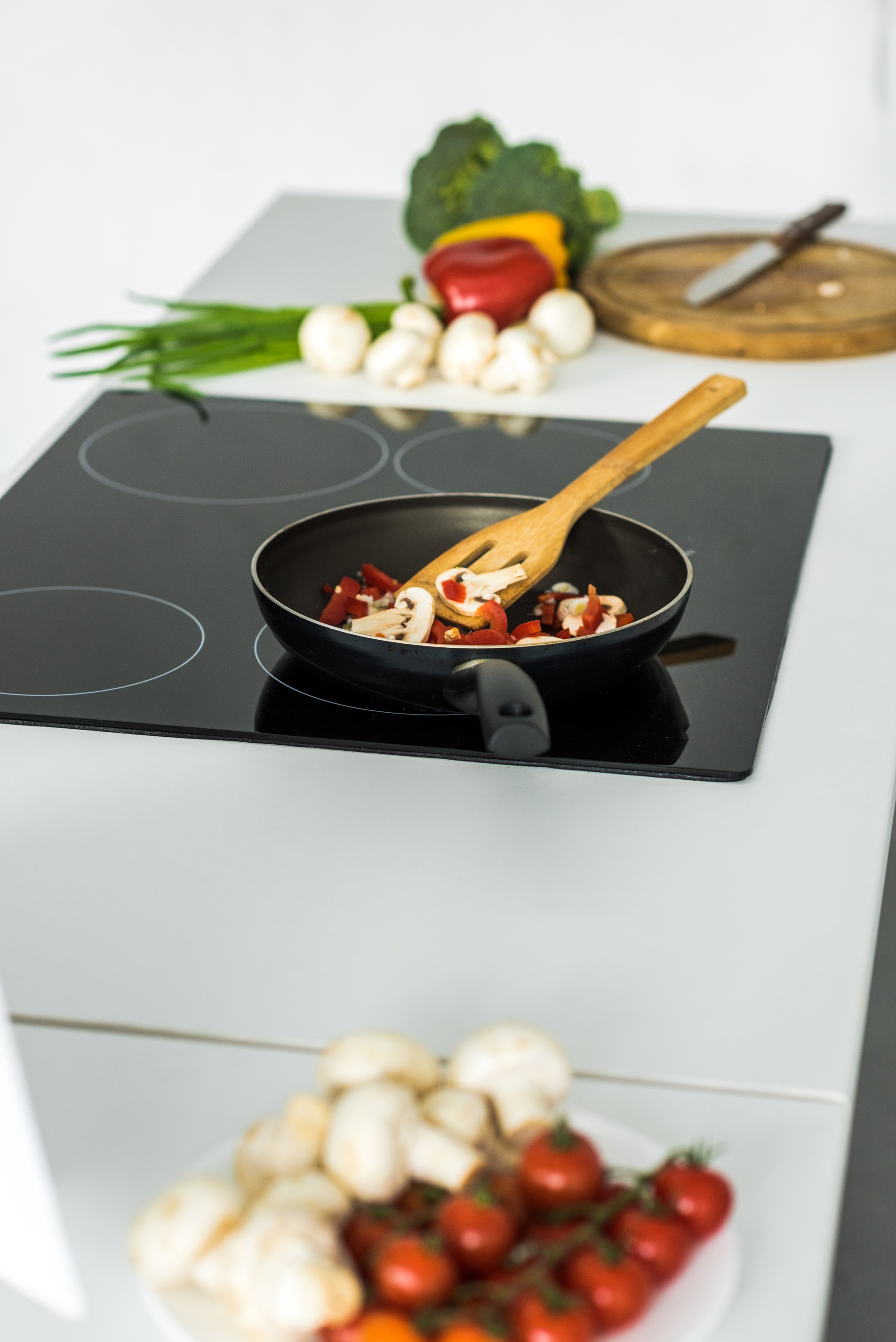
Beyond compatibility, induction cooking offers a number of advantages that contribute to its growing popularity. Because heat is generated directly within the cookware, very little energy is wasted. This results in faster cooking times and improved overall efficiency compared to traditional stovetops, where heat often escapes into the surrounding air. The absence of open flames or exposed heating elements also enhances safety, reducing the risk of burns and fire hazards. Additionally, induction cooktops remain relatively cool to the touch once cookware is removed, making them especially appealing in households with children or in environments where safety is a priority.
Designed for Modern Kitchens
Induction cooktops are also well suited for modern kitchen design, particularly in smaller or more flexible spaces. Many models are compact and can plug into a standard 110-volt outlet, making them ideal for apartments, RVs, break rooms, and secondary cooking areas. Built-in units can be installed directly into countertops to create a clean, seamless appearance that complements contemporary kitchen layouts. Their portability and independent operation allow users to maximize counter space while maintaining convenient access to cooking surfaces.
Easy Cleaning and Maintenance
Maintenance is another area where induction cooktops excel. The smooth glass-ceramic surface is easy to clean, as spills and food residue do not burn onto the surface in the same way they might on traditional stovetops. After cooking, the unit can be turned off and allowed to cool before being wiped down with a damp cloth. Avoiding abrasive cleaning tools and harsh chemicals helps preserve the surface and ensures long-term durability. Proper storage in a dry environment when not in use further contributes to the longevity of the appliance.
A Smarter Way to Cook
Induction cooking represents a modern, efficient, and safe approach to meal preparation, but it depends entirely on the use of compatible cookware. If your current pots and pans are made from magnetic materials, there is a strong likelihood they will work seamlessly with an induction cooktop. When paired with high-quality options such as cast iron, induction technology delivers fast heating, precise control, and consistent results. For those looking to upgrade their kitchen or improve cooking efficiency, understanding cookware compatibility is the first step toward fully benefiting from what induction cooking has to offer.