Cast Iron Pots and True Induction Cooktops: A Perfect Match for Fast, Efficient Cooking
Modern kitchens are increasingly adopting induction cooking because of its speed, efficiency, and safety. When paired with traditional cast iron cookware, True Induction cooktops deliver reliable and powerful cooking performance for everyday meals. Cast iron pots are particularly well suited for induction technology because of their magnetic properties and ability to retain heat. Whether preparing soups, simmering sauces, or boiling water for pasta, the combination of cast iron and induction cooking provides consistent results and faster heating than many conventional stovetops.
How Induction Cooking Works
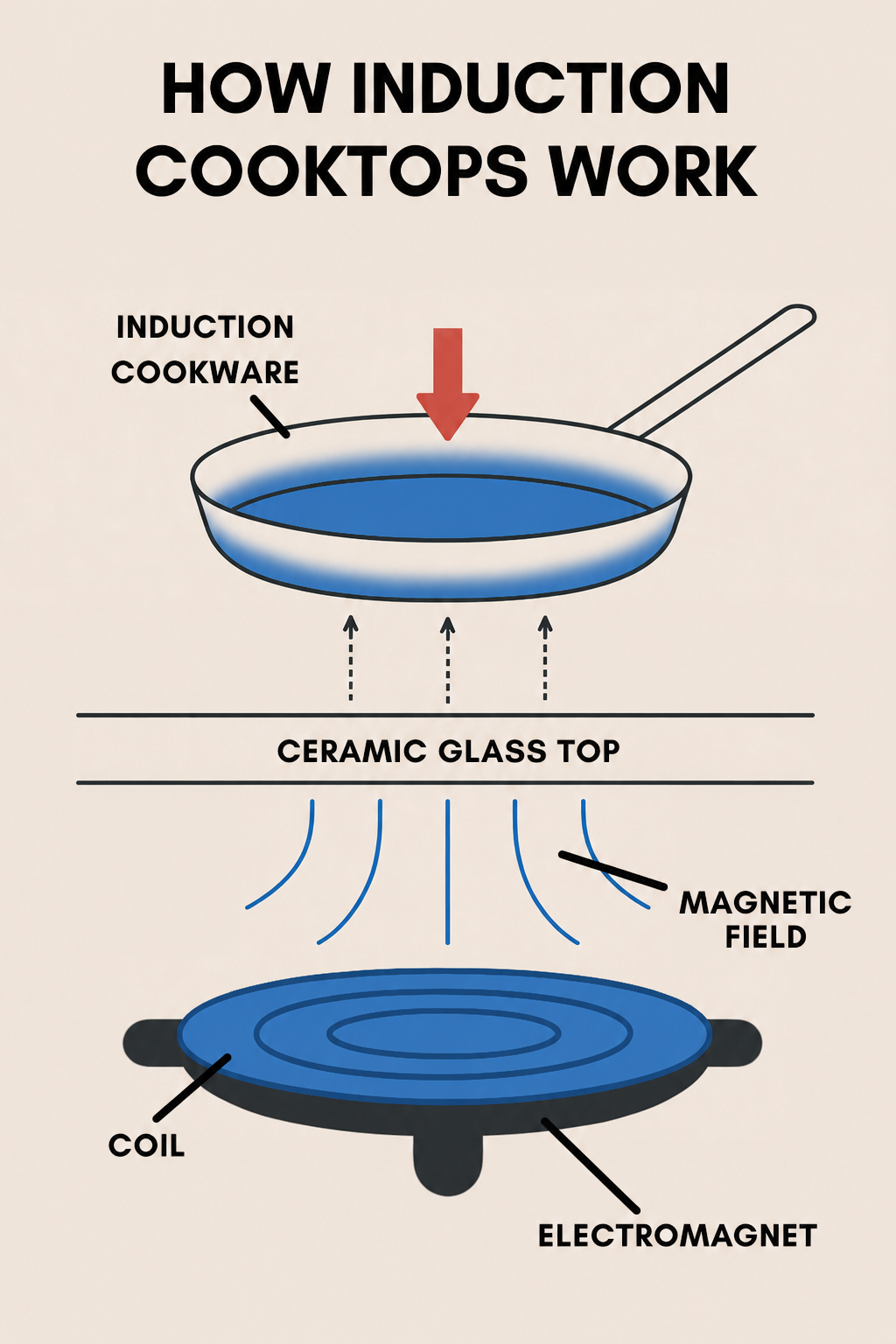
Induction cooking utilizes magnetic-based technology to heat cookware directly rather than heating the cooking surface itself. When a compatible ferrous pot or pan is placed on the cooktop, the unit generates a magnetic field that excites the molecules inside the metal. This molecular activity creates heat directly within the cookware, forming a magnetic circuit between the cooktop and the pot. Because the heat originates inside the cookware rather than transferring from a burner or coil, the cooking vessel heats extremely quickly and evenly. In many cases, cookware can begin heating evenly in about 45 seconds, and water can reach a boil in as little as 90 seconds. This efficient process allows users to prepare hot beverages, soups, and meals faster than traditional cooking methods.
Why Cast Iron Works So Well with Induction
Cast iron cookware is naturally compatible with induction technology because it is made from iron, a ferrous and magnetic material. This allows the cookware to interact directly with the magnetic field generated by the cooktop. In addition to being induction-ready, cast iron is known for its excellent heat retention and durability. Once heated, cast iron maintains a steady cooking temperature, which is particularly useful for simmering sauces, preparing stews, or maintaining consistent heat while cooking larger portions of food. The sturdy construction of cast iron pots also allows them to withstand frequent cooking and high temperatures, making them a reliable choice for everyday kitchen use with induction cooktops.
Confirming Cookware Compatibility
While cast iron cookware works perfectly with induction cooktops, not all pots and pans are compatible with this technology. Induction cooking requires cookware made from ferrous, or magnetic, materials. To determine whether your cookware will work with a True Induction cooktop, check the retail packaging for an induction compatibility symbol or test the cookware using a simple magnet. If a magnet firmly attaches to the bottom of the pot or pan, it indicates that the cookware is magnetic and suitable for induction cooking. For the best performance, cookware should also have a flat bottom surface and a diameter between 4.5 inches and 10 inches. This ensures full contact with the cooktop surface and allows the magnetic field to efficiently heat the cooking vessel.
Advantages of True Induction Cooktops
True Induction cooktops offer several advantages compared to traditional gas or electric cooking appliances. Because heat is generated directly in the cookware, induction cooking significantly reduces wasted energy. Traditional stovetops allow heat to escape into the surrounding air, but induction technology concentrates the heat where it is needed most, improving overall energy efficiency. This design also contributes to a safer cooking experience because there are no open flames or exposed heating coils. Many True Induction cooktops include convenient features such as quick-touch heat level controls and precise temperature settings ranging from 150°F to 450°F. Temperature adjustments are available in 30-degree increments, allowing cooks to easily switch between gentle simmering and higher heat cooking. Additionally, built-in timer functions can be set in increments of five minutes up to a maximum of 150 minutes, automatically counting down and switching the appliance to standby mode when cooking is complete.
Compact and Flexible Kitchen Design
One of the key benefits of True Induction cooktops is their flexibility in modern kitchens. These compact appliances are well suited for small spaces, including apartments, RVs, break rooms, and secondary cooking areas. Many models plug directly into a standard 110-volt outlet, making installation simple and convenient. Built-in models can also be installed directly into a countertop to create a seamless cooking surface that integrates neatly into the kitchen layout. Because these units operate independently from a traditional oven range, they can be placed wherever they are most accessible while maximizing available counter space for food preparation. This flexibility allows homeowners to design kitchen layouts that fit their specific cooking habits and space requirements.
Cleaning and Maintenance
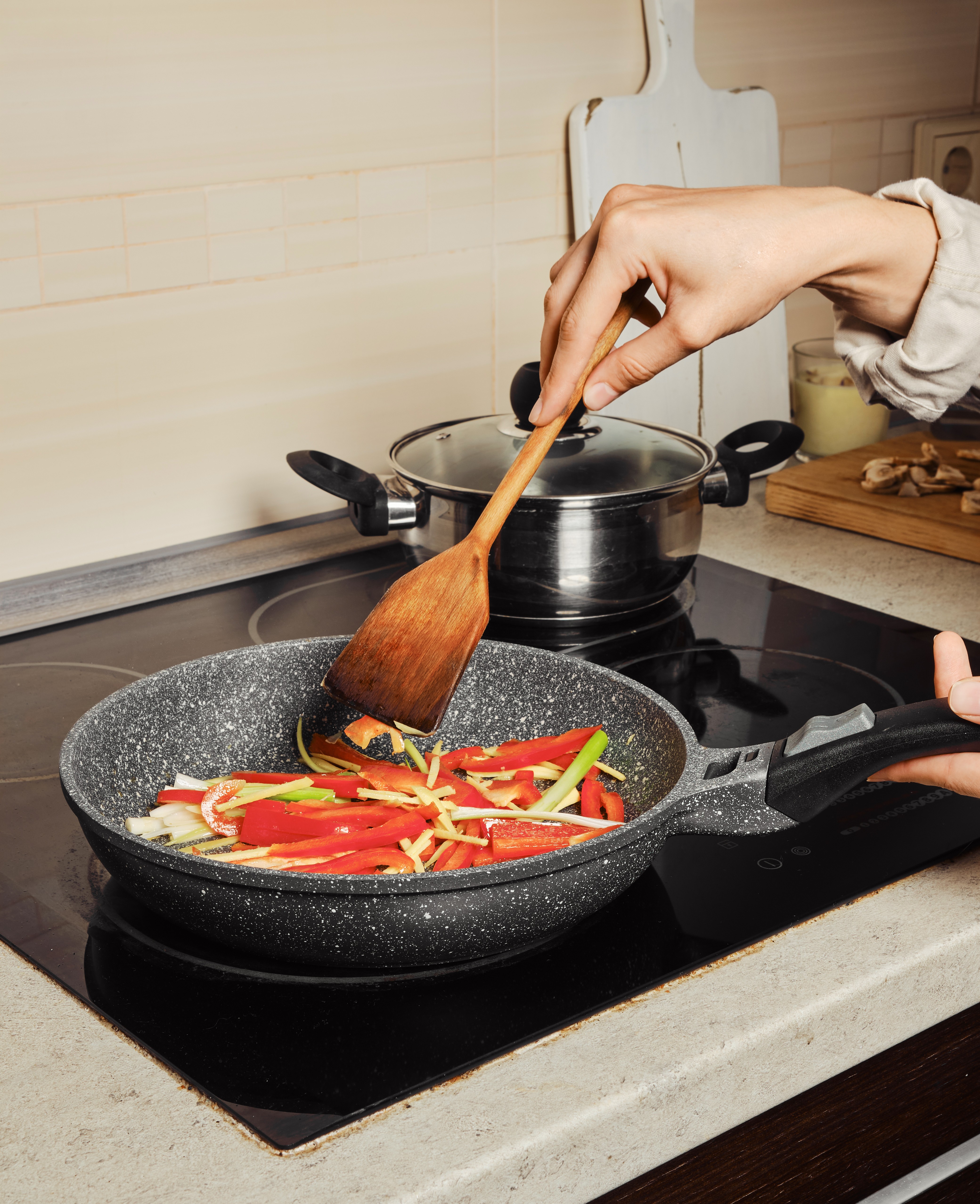
Maintaining a True Induction cooktop is straightforward thanks to its smooth glass-ceramic surface. After each use, it is recommended to turn off the unit, unplug it, and allow it to cool completely before cleaning. Food residue can then be wiped away using a slightly damp cloth. The smooth surface helps prevent buildup and makes routine cleaning simple. It is important to avoid abrasive cleaning tools such as metal scouring pads or harsh oil-based cleaning liquids, as these can damage the surface. When the cooktop is not in use, storing it in a dry location will help maintain its condition and ensure long-lasting performance.
A Modern Cooking Solution
When combined with durable cast iron cookware, True Induction cooktops provide an efficient and dependable cooking solution for modern kitchens. The ability to heat cookware rapidly, maintain precise temperatures, and operate without open flames offers a convenient and safe way to prepare meals. Cast iron pots complement this technology by delivering strong heat retention and compatibility with the magnetic cooking process. Together, they create a practical cooking system capable of producing consistent results for everything from quick weekday meals to slow-simmered sauces and soups.