An induction cooktop is a modern cooking appliance that uses electromagnetic energy to heat cookware directly, rather than relying on an open flame or a traditional electric heating element. While induction cooktops may resemble smooth-top electric stoves on the surface, the technology beneath the glass is fundamentally different, and that difference dramatically changes how cooking performs in the kitchen. Induction cooking delivers faster heating, greater energy efficiency, enhanced safety, and precise temperature control, making it one of the most advanced cooking technologies available today.
As kitchens evolve toward cleaner, more efficient, and more responsive appliances, induction cooktops have become increasingly popular in residential homes, apartments, RVs, and professional environments. Their ability to combine performance and safety has made induction cooking a leading solution for modern lifestyles.
What Is Induction Cooking?
Induction cooking is a method of heating that uses electromagnetic energy to generate heat directly inside cookware. Unlike gas or traditional electric cooking, an induction cooktop does not heat the surface first and then transfers that heat to the pan. Instead, the cookware itself becomes the heat source.
Because heat is produced only when compatible cookware is present, induction cooking is both efficient and controlled. The glass surface of the cooktop remains relatively cool during use, warming only from contact with the hot pan. This results in faster cooking, immediate temperature changes, and significantly less heat released into the surrounding air. The overall cooking environment is cooler, safer, and more comfortable, particularly in smaller or enclosed spaces.
How Induction Cooktops Work
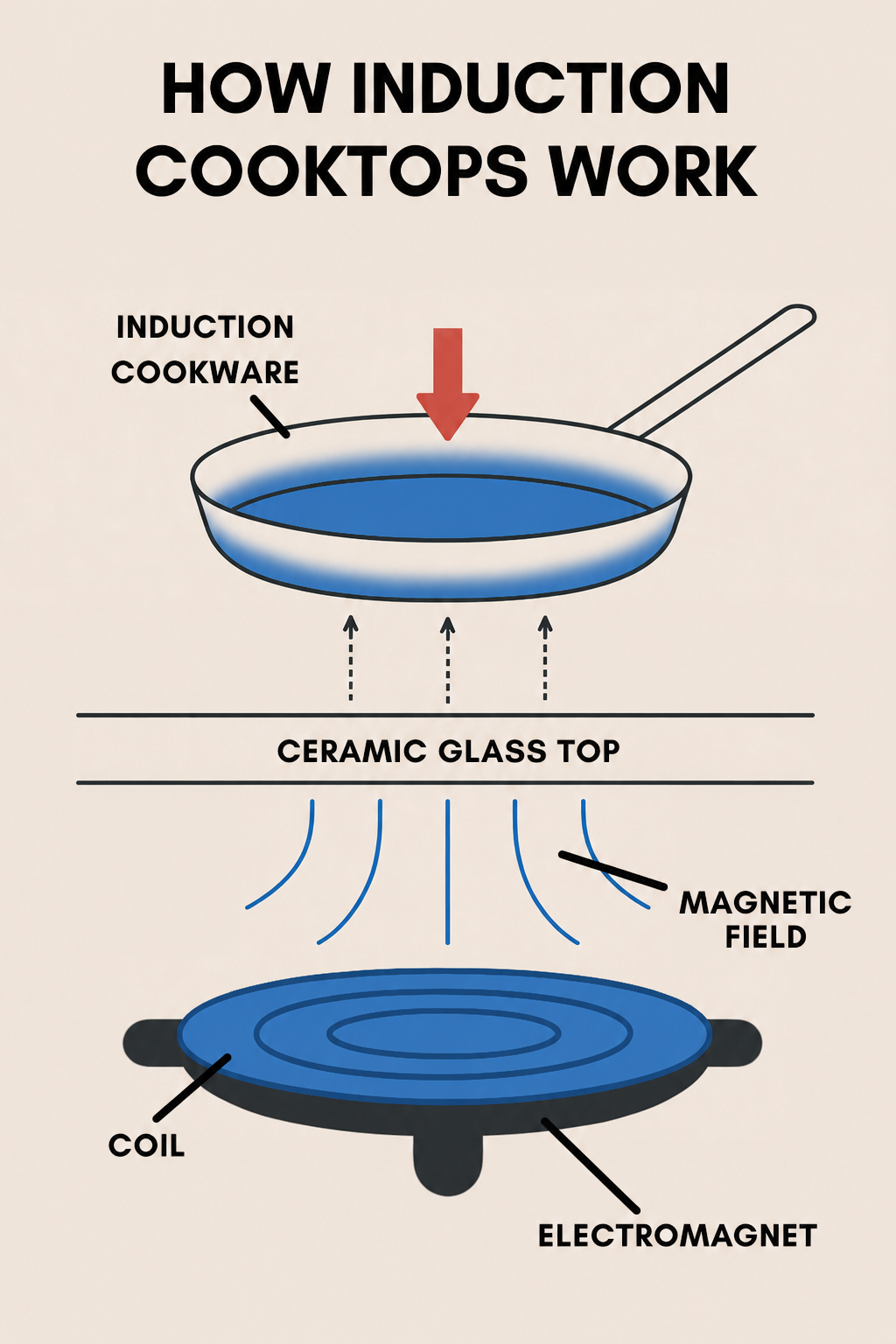
Beneath the smooth glass or ceramic surface of an induction cooktop is a tightly wound copper coil. When the cooktop is turned on, electricity flows through this coil, creating a rapidly alternating magnetic field. When cookware made from magnetic (or ferrous) materials is placed on the cooking zone, that magnetic field interacts with the metal in the pan.
This interaction induces electrical currents (often referred to as eddy currents) within the cookware itself. These currents generate heat directly inside the pan, efficiently cooking your food. Because the heat is created within the cookware rather than on the cooktop surface, energy loss is minimal. When the cookware is removed, heat generation stops immediately, and the surface starts to cool off quickly. This direct and responsive heating method is what sets induction apart from all other cooking technologies.
How Induction Differs From Gas and Electric Cooking
Traditional gas stoves create heat through combustion, releasing a significant amount of heat into the surrounding air. Conventional electric cooktops rely on radiant heat, warming a heating element or coil that must first heat up before transferring warmth to cookware. Both methods involve energy loss and slower response times when adjusting temperatures.
Induction cooktops bypass these inefficiencies entirely. Energy is transferred directly into the cookware with very little waste, allowing for faster heating and immediate adjustments. Water boils more quickly, sauces respond instantly to temperature changes, and delicate cooking tasks are easier to manage. The absence of an open flame or glowing heating element also improves safety and reduces excess heat in the kitchen. Although induction cooktops are electric appliances, they are fundamentally different from traditional electric models in both performance and efficiency.
Speed, Precision, and Energy Efficiency
One of the most noticeable advantages of induction cooking is speed. Because heat is generated directly in the cookware, induction cooktops can boil water significantly faster than gas or standard electric stoves. There is no waiting for burners to heat up, and no residual heat once cooking is complete. Precision is equally important. Induction cooktops respond instantly to temperature adjustments, allowing for accurate simmering, gentle warming, and controlled high-heat cooking. This level of responsiveness is especially valuable for tasks such as melting chocolate, preparing sauces, or cooking temperature-sensitive foods.
From an energy standpoint, induction cooktops are among the most efficient cooking appliances available. Most of the energy produced is used directly for cooking rather than heating the surrounding environment. This efficiency can reduce cooking time, lower energy consumption, and help maintain a cooler kitchen, particularly in warm climates or small spaces.

Safety and Ease of Cleaning
Safety is a major reason many households and facilities choose induction cooktops. Since the cooktop surface does not actively generate heat, the risk of accidental burns is significantly reduced. Many induction cooktops include built-in safety features such as pan detection, automatic shutoff when cookware is removed, overheating protection, and child safety locks.
Cleaning is also simpler compared to traditional stovetops. The smooth, flat surface allows for quick wipe-downs, and because spills are less likely to burn onto the surface, cleanup usually requires only a damp cloth. This makes induction cooktops especially appealing for busy households, shared kitchens, and professional environments where cleanliness and efficiency matter.
Cookware Requirements for Induction Cooking
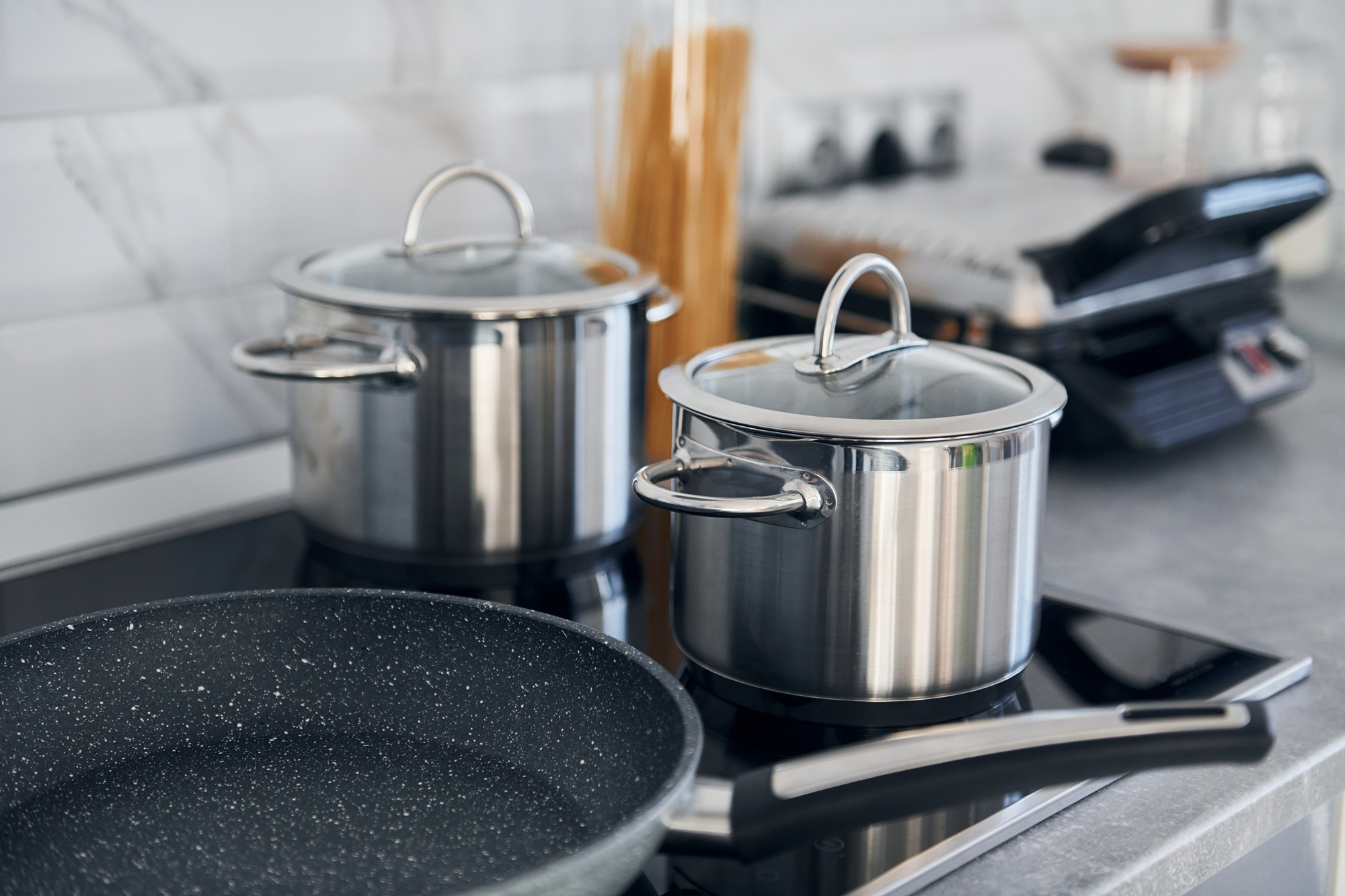
Induction cooktops require cookware made from magnetic, or ferrous, materials. Suitable options include cast iron, carbon steel, and many types of stainless steel that contain magnetic properties. Cookware made entirely from aluminum, copper, ceramic, or glass will not work unless it is specifically designed with a magnetic base.
A simple way to check compatibility is to place a magnet on the bottom of the pan. If the magnet sticks firmly, the cookware will work on an induction cooktop. Many manufacturers clearly label cookware as induction-compatible, making selection easier for consumers.
Is Induction Right for You?
Induction cooking combines speed, precision, safety, and energy efficiency in a way that few other cooking technologies can. It is ideal for modern kitchens, apartments, RVs, and compact spaces, while also offering significant benefits for busy family homes and professional kitchens alike.
If you’re ready for a cleaner, cooler, and more responsive cooking experience, an induction cooktop is a smart choice that can make everyday meal preparation faster, safer, and more enjoyable.